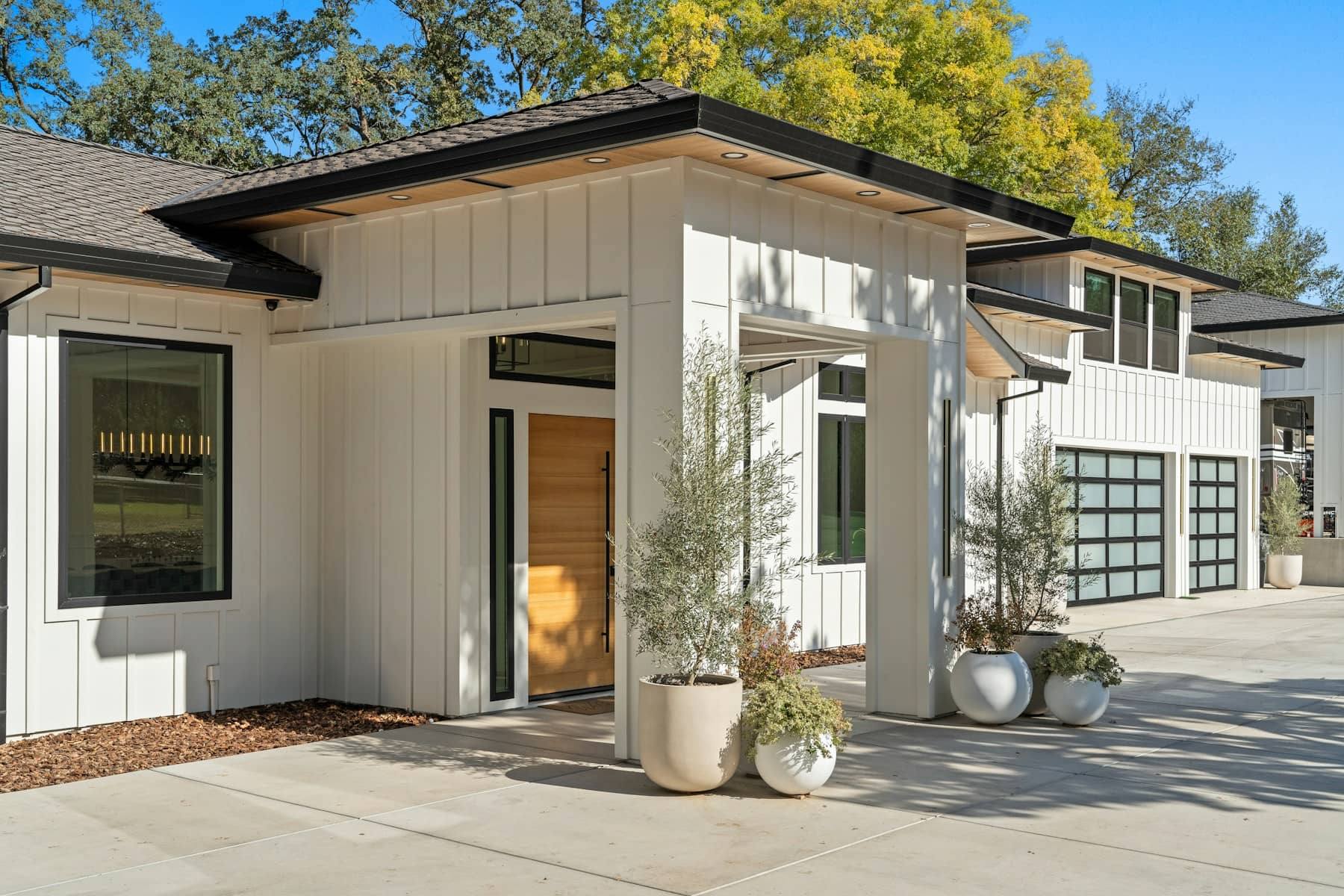

Build to Rent Financing: From Lot to Long-Term Loan

Build to rent means building new homes to keep as rentals instead of selling them. The financing has more moving parts than a flip: land, a construction loan paid in draws, then a switch to long-term rental debt. Here is how the pieces usually fit.
Phase one: the land
You either buy the lot first or fold it into the construction loan. Before you commit, confirm:
- Zoning allows what you want to build
- Water, sewer, power and road access are in place, or priced if not
- Setbacks, easements and lot shape support your plans
- The lot cost leaves room in the total budget
Zoning or utility problems can stall or kill the loan.
Phase two: the construction loan and draws
During the build, these loans are typically short term with interest-only payments. Lenders size them as loan to cost (LTC), a percentage of land plus construction. Many fund most or all of the hard construction budget, with your equity covering the rest.
Money comes out in draws, not a lump sum:
- A phase is completed, such as foundation, framing or rough-ins.
- You request the draw with photos and invoices.
- The lender verifies the work, often with an inspection.
- Funds are released for that phase.
Many construction lenders charge interest only on funds drawn, so early months cost less. Keep the schedule realistic, since missing paperwork can hold up your crew's next payment.
Phase three: the switch to rental financing
Once the home is finished and leased, long-term debt replaces the construction loan. There are two common setups:
- Two closings. A standalone construction loan, then a separate refinance into a rental loan such as a DSCR (debt service coverage ratio) loan. More flexibility, but two sets of closing costs and a second appraisal.
- One closing. A construction-to-permanent loan that converts after completion. Less paperwork, but terms are set up front.
Either way, the rental lender will look at the appraised value and how the rent compares to the payment.
Plan the whole timeline
Example, round numbers only:
- Lot: $80,000
- Hard and soft construction costs: $320,000
- Total cost: $400,000
- Build time: 8 months, plus 2 months to lease
- Finished value: $500,000. Market rent: $3,200 a month.
If the construction loan funded 85% of cost, your cash in is about $60,000 plus interest and fees. A long-term refinance at 75% of the $500,000 value is $375,000, which pays off the $340,000 construction balance with room for closing costs.
Budget roughly 9 to 15 months from start to stabilized, and plan for delays.
What this means for you
Line up all three phases before you buy dirt. Know your total cost, your draw process, and your exit loan.
At RSC, build to rent takes two loans: a New Construction loan for the build, then a separate DSCR Rental loan once the home is leased. New Construction goes up to 75% of the lot, 100% of construction, 90% of total cost and 75% of after-repair value (ARV) on a 12-month term, so plan the build and lease-up to fit that window. It requires entitled land with a survey and 3+ completed builds, or 5+ completed projects including a build.
Planning a build to rent project? Send RSC Private Lending your scenario for a term sheet in 24 hours. Subject to underwriting.
General education, not legal, tax or financial advice. RSC loans are business-purpose only and subject to underwriting. Rates and terms may change.
Term sheet in 24 hours.
Submit a scenarioMore in Investment Strategy
- Estimating Rehab Costs Before You Make an Offer on a FlipAidan Wong · 3 min
- Flip Holding Costs: How to Budget the Months Between Buy and SellAidan Wong · 3 min
- Flip It or Keep It: Choosing Your Exit on a Value-Add PropertyAidan Wong · 3 min
- Growing a Rental Portfolio When Cash Is TightAidan Wong · 3 min